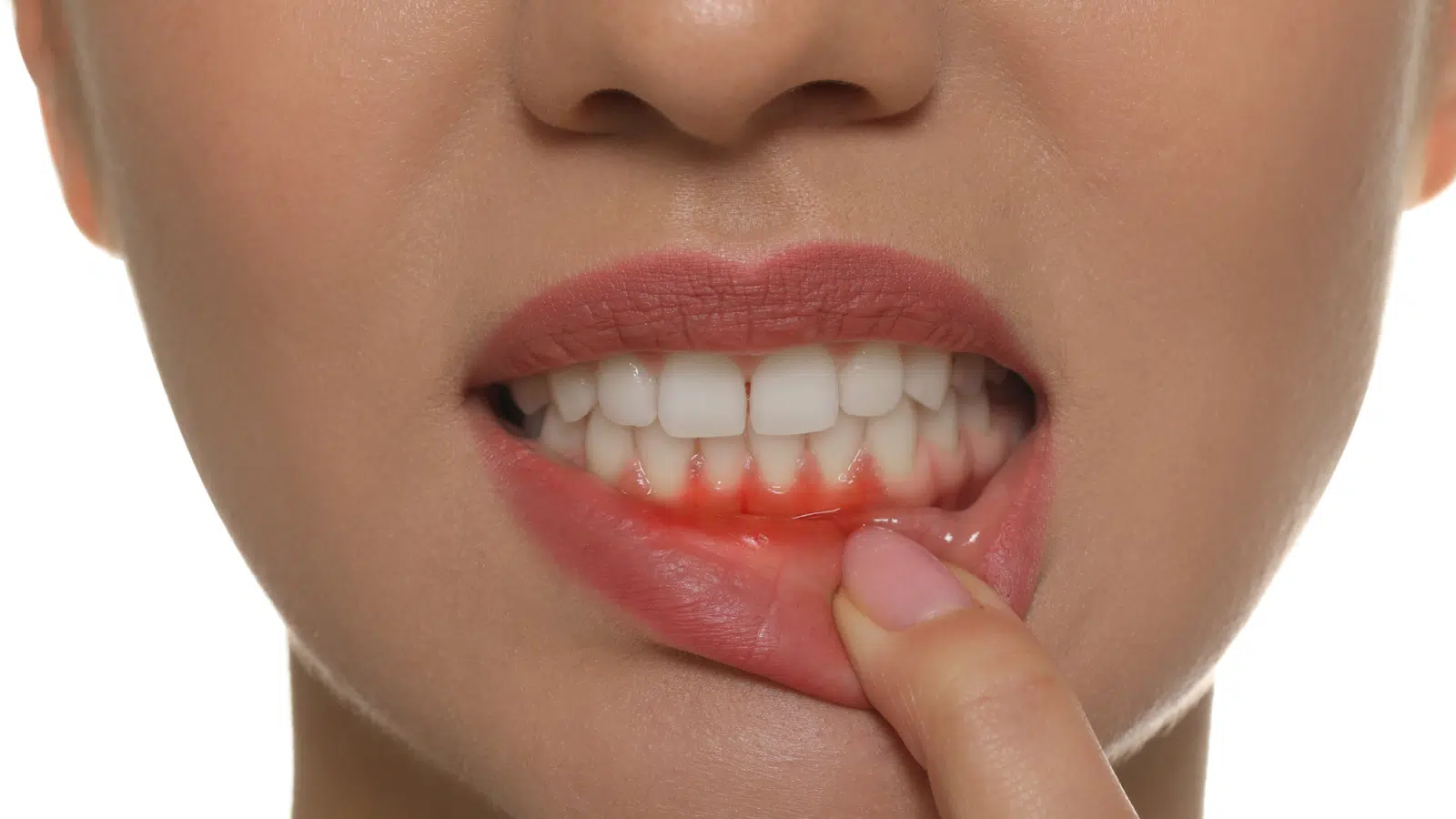
Gum disease, also known as periodontal disease, is one of the most common oral health problems worldwide — and also one of the most overlooked. It begins quietly, often without pain, making it easy to ignore until it becomes serious. Recognizing the early signs of gum disease can help prevent long-term complications such as tooth loss, gum recession, and even systemic health issues like heart disease.
Understanding the warning signs, causes, and prevention strategies can help you take control of your oral health and keep your smile strong for life.
What Causes Gum Disease?
Gum disease starts when plaque — a sticky film of bacteria — builds up along the gumline. If not removed through daily brushing and flossing, plaque hardens into tartar, which can only be removed by a dentist. The bacteria in plaque and tartar release toxins that irritate and inflame the gums, leading to infection.
Several factors increase your risk of developing gum disease:
- Poor oral hygiene
- Smoking or chewing tobacco
- Hormonal changes (especially in pregnancy or menopause)
- Diabetes or weakened immune systems
- Certain medications that reduce saliva flow
- Genetic predisposition
The disease develops in stages — starting with mild gingivitis and progressing to periodontitis if left untreated. The earlier it’s detected, the easier it is to reverse.
Early Warning Sign #1: Red, Swollen Gums
One of the first visible signs of gum disease is redness and swelling in the gums. Healthy gums are normally pink and firm. When they become inflamed, they may look darker in color and feel tender to the touch.
This inflammation occurs because your immune system is trying to fight off bacterial infection caused by plaque buildup. If your gums remain swollen for more than a few days — even with proper brushing — it’s a signal to schedule a dental check-up.
Early Warning Sign #2: Bleeding Gums While Brushing or Flossing
Many people dismiss a little bleeding during brushing or flossing as normal, but it’s actually one of the clearest signs of gingivitis, the earliest stage of gum disease. Bleeding occurs because the gum tissue is inflamed and fragile.
If you notice pink or red streaks in the sink after brushing, it’s a warning sign that your gums need attention. Continuing to brush and floss gently, along with professional cleaning, can usually reverse gingivitis before it progresses further.
Early Warning Sign #3: Persistent Bad Breath or Bad Taste
Chronic bad breath, also called halitosis, can be another symptom of gum disease. When bacteria accumulate below the gumline, they produce foul-smelling sulfur compounds that cause persistent odor — even after brushing or using mouthwash.
If you notice a bad taste in your mouth or constant bad breath that doesn’t go away with proper hygiene, it may be due to gum infection. Treating the underlying gum issue is the only way to eliminate this symptom permanently.
Early Warning Sign #4: Receding Gums
When gums start pulling away from the teeth, creating small pockets, this is called gum recession. These pockets trap bacteria and debris, worsening the infection. Receding gums not only expose more of the tooth surface — making teeth appear longer — but also increase sensitivity to hot and cold foods.
Gum recession can lead to bone loss if left untreated. Regular dental visits can detect early recession and stop it before it causes permanent damage.
Early Warning Sign #5: Tooth Sensitivity and Loose Teeth
As gum disease advances, the supporting structures around the teeth — including bone and connective tissue — begin to deteriorate. This causes teeth to feel loose or shift slightly in position.
You may also experience tooth sensitivity because the roots become exposed due to receding gums. This sensitivity is usually a late-stage warning that the disease has moved beyond mild gingivitis and may now be periodontitis.
How Gum Disease Affects Overall Health
Many people don’t realize that gum disease can impact more than just the mouth. Chronic inflammation from gum infections allows bacteria to enter the bloodstream, contributing to systemic problems such as:
- Heart disease — Inflammation and bacteria can damage blood vessels and increase the risk of heart attack.
- Diabetes complications — Gum disease can make blood sugar harder to control.
- Respiratory infections — Bacteria from the mouth can be inhaled into the lungs.
- Pregnancy issues — Severe gum disease has been linked to preterm births and low birth weight.
This connection between oral and overall health highlights why maintaining gum health is critical for total wellness.
How to Prevent Gum Disease
The good news is that gum disease is highly preventable with good oral hygiene and regular care. Here are some proven prevention strategies:
- Brush twice daily with fluoride toothpaste for at least two minutes.
- Floss once daily to remove plaque between teeth and under the gumline.
- Use antibacterial mouthwash to reduce bacteria that cause plaque.
- Avoid smoking — tobacco weakens your immune system and slows healing.
- Eat a balanced diet rich in vitamins C and D to support gum strength.
- Visit your dentist every six months for cleanings and early detection.
Early detection is key — catching gum inflammation before it progresses ensures full recovery without invasive treatments.
When to See a Dentist
If you notice any of the following symptoms, it’s important to schedule a dental appointment right away:
- Gums that bleed easily
- Persistent bad breath
- Pain while chewing
- Gums pulling away from teeth
- Loose or shifting teeth
Your dentist may perform a periodontal exam to measure gum pocket depth and evaluate bone health. In early stages, a professional cleaning (scaling and root planing) can reverse damage. Advanced stages may require more intensive treatment, including surgery or antibiotics.
Final Thoughts
The early signs of gum disease are easy to overlook — a bit of bleeding, slight swelling, or occasional bad breath might seem harmless. But these are warning signals your gums are sending before more serious problems develop.
By paying attention to these signs and maintaining a consistent oral care routine, you can prevent gum disease from taking hold and protect your smile for life. Remember: healthy gums mean a healthy mouth — and a healthier you.