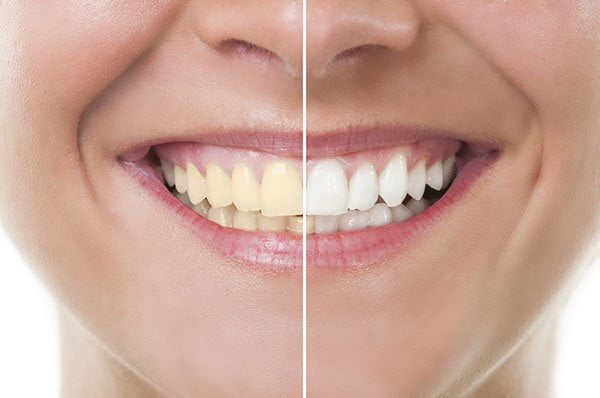
A bright, white smile is one of the most desired features of modern beauty — it instantly boosts confidence and makes a lasting impression. However, professional whitening treatments can be costly, and not everyone wants to use harsh chemicals on their teeth. The good news is that there are safe, effective ways to whiten your teeth at home, using both over-the-counter products and natural methods approved by dental experts.
This guide explores how to achieve a whiter smile safely from home, what to avoid, and how to maintain your results for the long term.
What Causes Teeth to Become Stained or Yellow?
Before you start whitening, it’s important to understand why teeth lose their natural brightness. Several factors contribute to discoloration, including:
- Food and drinks such as coffee, tea, red wine, and dark sodas.
- Smoking and tobacco use, which cause stubborn yellow or brown stains.
- Poor oral hygiene, allowing plaque and tartar to dull enamel.
- Aging, which naturally thins the enamel and exposes yellowish dentin underneath.
- Certain medications, like antibiotics or antihistamines.
Knowing what’s causing the discoloration helps you choose the safest and most effective whitening method.
Home Whitening vs. Professional Whitening
Professional whitening performed by a dentist delivers quick and dramatic results using concentrated peroxide gels. However, these treatments can be expensive and may cause temporary tooth sensitivity.
At-home whitening options, when used correctly, can produce gradual, natural-looking results without the risk of enamel damage. The key is to use dentist-approved products and techniques — not unverified DIY hacks that can harm your teeth.
Safe At-Home Whitening Methods
Here are some of the most effective and dentist-recommended ways to whiten your teeth safely at home:
1. Whitening Toothpaste
Whitening toothpaste is one of the easiest ways to gradually remove surface stains. These toothpastes contain mild abrasives or polishing agents such as silica that help lift stains without damaging enamel.
For best results:
- Use twice daily as part of your regular brushing routine.
- Choose ADA-approved products with fluoride.
- Avoid “extra abrasive” formulas that can erode enamel over time.
While whitening toothpaste won’t dramatically change your tooth color, it can help maintain brightness after professional or at-home treatments.
2. Whitening Strips and Gels
Over-the-counter whitening strips and gels are among the most popular and effective home solutions. They contain a safe concentration of hydrogen peroxide or carbamide peroxide that breaks down stains.
Tips for safe use:
- Follow the instructions carefully — overuse can lead to sensitivity.
- Avoid eating or drinking during application.
- Use them for the recommended duration (usually 10–14 days).
These treatments typically lighten teeth by one to two shades, providing noticeable improvement within a couple of weeks.
3. Custom Whitening Trays
Some pharmacies and dental offices offer custom or semi-custom whitening trays designed to fit your mouth. These trays hold whitening gel close to your teeth for even results.
While slightly more expensive than strips, they provide better coverage and less risk of gum irritation. Always ensure the gel concentration is safe for home use — typically 10–20% carbamide peroxide.
4. Baking Soda and Hydrogen Peroxide Paste
Baking soda (sodium bicarbonate) is a natural whitening ingredient due to its gentle abrasiveness and ability to neutralize acids. Mixing a small amount of baking soda with hydrogen peroxide creates a mild whitening paste that removes surface stains.
However, moderation is key — using this mixture too often can wear down enamel. Limit use to 2–3 times per week, and always rinse thoroughly afterward.
5. Oil Pulling with Coconut Oil
Oil pulling is an ancient Ayurvedic remedy that involves swishing coconut oil in your mouth for 10–15 minutes. While it doesn’t chemically whiten teeth, it removes bacteria and plaque that cause dullness and bad breath.
Coconut oil is safe, natural, and gentle — making it a great addition to your oral care routine. It also helps reduce gum inflammation and promotes overall mouth cleanliness.
Whitening Foods That Help Naturally
Believe it or not, some foods can actually help whiten your teeth naturally. Foods high in fiber, water, and malic acid scrub and polish the enamel gently. Try incorporating:
- Apples and strawberries (contain natural whitening enzymes).
- Crunchy vegetables like carrots and celery (help remove plaque).
- Cheese and yogurt (rich in calcium and promote enamel strength).
Meanwhile, limit staining foods and drinks such as coffee, tea, wine, and dark sauces. If you do consume them, rinse your mouth with water afterward to minimize staining.
Common Whitening Mistakes to Avoid
While many at-home whitening methods are safe, some popular “hacks” can cause more harm than good. Avoid:
- Lemon juice or vinegar: These are acidic and erode enamel.
- Activated charcoal: Overly abrasive and can damage the enamel surface.
- Overusing peroxide products: Can cause tooth sensitivity and gum irritation.
Always remember — whitening should enhance, not weaken, your teeth. A gradual approach yields the healthiest results.
How to Maintain Your White Smile
After achieving your desired shade, maintain your results by following these simple habits:
- Brush twice a day using fluoride toothpaste.
- Floss daily to prevent plaque buildup.
- Use a straw when drinking coffee or soda to reduce contact with enamel.
- Rinse your mouth with water after consuming staining foods.
- Schedule professional dental cleanings every six months.
Consistency is key — small daily habits protect your enamel and prevent stains from returning.
When to See a Dentist
If your teeth don’t respond to at-home whitening, or if you experience pain or gum irritation, consult your dentist. Discoloration that doesn’t fade with surface treatments may indicate deeper issues such as enamel erosion, medication side effects, or nerve damage.
A dental professional can identify the cause and recommend safe, customized whitening treatments tailored to your needs.
Final Thoughts
Whitening your teeth at home can be both safe and effective when done correctly. By choosing the right products, avoiding harsh DIY trends, and maintaining proper oral hygiene, you can enjoy a bright, healthy smile without risking damage to your enamel.
Remember: whitening is not about perfection — it’s about restoring confidence in your natural smile. Take a gentle, consistent approach, and your teeth will shine brighter and healthier for years to come.