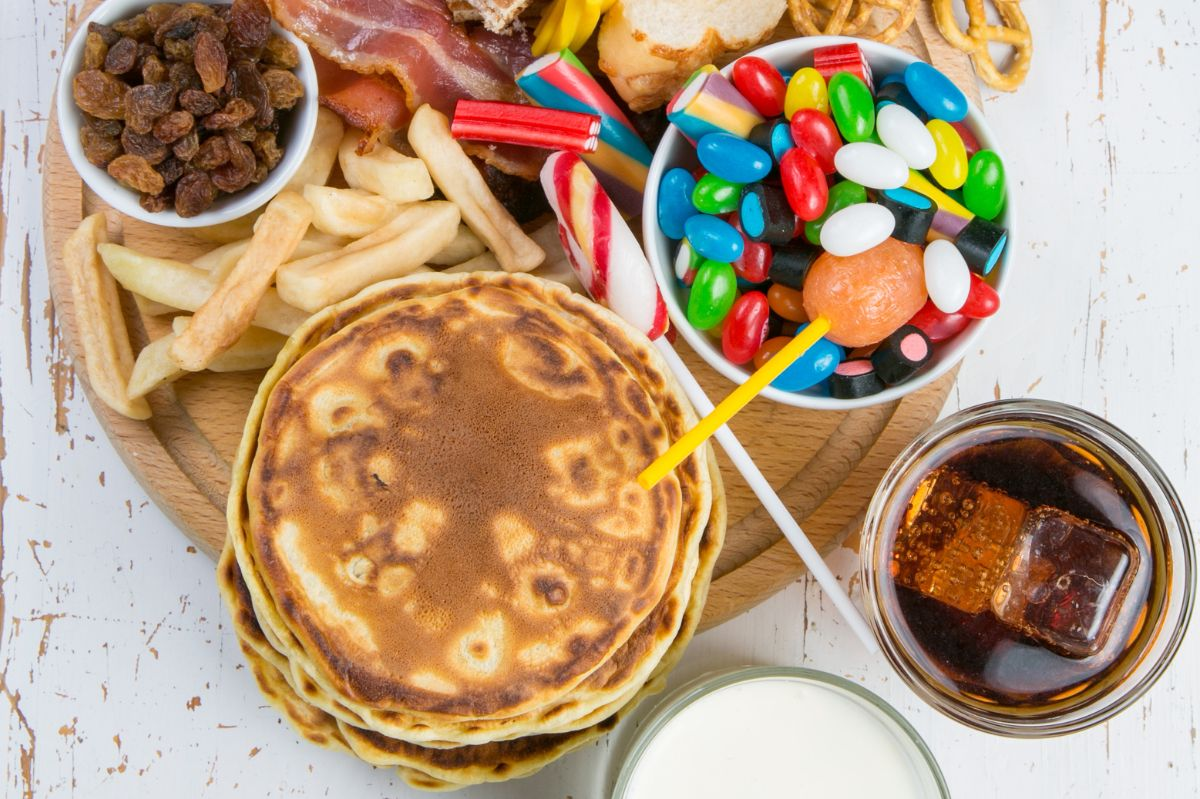
We often focus on brushing, flossing, and dental check-ups to maintain oral health, but what we eat daily plays an equally important role. While certain foods help strengthen your teeth and gums, others can silently erode enamel, cause cavities, and lead to gum disease. Understanding which foods can damage your teeth over time is crucial for preventing long-term dental problems and maintaining a healthy, confident smile.
Some of the most common foods and drinks you consume may seem harmless but could be slowly weakening your teeth without you realizing it. Let’s explore which ones to watch out for and how to minimize their impact.
How Diet Impacts Oral Health
Your diet directly affects the strength of your enamel, the balance of bacteria in your mouth, and your saliva production. Enamel, the hard outer layer of your teeth, protects them from decay — but it can wear away due to acids produced by certain foods and beverages.
When your enamel erodes, your teeth become more sensitive, prone to staining, and vulnerable to cavities. Meanwhile, sugary and starchy foods feed harmful bacteria, creating acids that attack your teeth after every meal. Over time, these small daily habits can add up to major dental damage if left unchecked.
Sugary Foods and Drinks – The Biggest Culprit
Sugar is the number one enemy of your teeth. Every time you eat sugary foods or sip on sweet drinks, bacteria in your mouth feed on the sugar and produce acid as a byproduct. This acid then attacks your enamel, leading to tooth decay.
Common culprits include:
- Candies and chocolates
- Cookies, pastries, and cakes
- Sweetened beverages like soda, sports drinks, and fruit juices
Frequent snacking on sugary treats keeps your teeth under constant acid attack. Even “healthy” alternatives like honey, dried fruit, or flavored yogurt can be surprisingly high in sugar.
To minimize damage:
- Limit sugar intake and avoid sipping sugary drinks throughout the day.
- Rinse your mouth with water after eating sweets.
- Use fluoride toothpaste to strengthen enamel and protect against decay.
Acidic Foods and Beverages
Acidic foods wear down enamel, making your teeth more prone to sensitivity and decay. Common acidic items include:
- Citrus fruits (lemons, oranges, grapefruit)
- Vinegar-based foods (pickles, salad dressings)
- Soft drinks and energy drinks
- Tomatoes and tomato-based sauces
While these foods are healthy in moderation, excessive exposure to acids softens enamel. Brushing immediately after eating acidic foods can actually worsen the problem by brushing away softened enamel. Instead, rinse your mouth with water and wait 30 minutes before brushing.
Sticky and Chewy Foods
Sticky foods cling to your teeth and are difficult to remove with brushing alone. They create the perfect environment for bacteria to thrive. Examples include:
- Caramel and toffee
- Gummy candies
- Dried fruits like raisins and dates
Because they stick between teeth and along the gumline, these foods often lead to plaque buildup and cavities. If you enjoy them occasionally, make sure to floss thoroughly and drink plenty of water afterward to help dislodge residue.
Starchy and Processed Foods
Refined carbohydrates, like white bread, pasta, and potato chips, break down into sugar as you chew. This sugar feeds oral bacteria just like candy does. Sticky starches can lodge between teeth, creating long-lasting acid attacks on your enamel.
Instead of refined carbs, choose whole grains that contain more fiber and stimulate saliva flow, which helps wash away food particles naturally.
Hard Foods That Can Crack Teeth
Some foods don’t just cause decay — they can physically damage your teeth. Biting down on hard candies, popcorn kernels, or ice cubes can crack or chip enamel. Once enamel is damaged, it doesn’t regenerate, and repair often requires fillings or crowns.
Similarly, chewing on pens, fingernails, or bottle caps can cause microfractures that weaken teeth over time. If you have this habit, try substituting with sugar-free gum to satisfy the urge to chew safely.
Staining Foods and Drinks
While staining doesn’t necessarily damage enamel directly, it affects the appearance of your teeth and can make them look dull. Over time, stains penetrate deeper, making whitening more difficult.
The most common staining agents are:
- Coffee and black tea
- Red wine
- Cola and dark sodas
- Berries (blueberries, blackberries, pomegranates)
- Soy sauce and curry
If you consume these regularly, rinse your mouth with water afterward or use a straw for dark beverages to reduce contact with your teeth.
Alcohol and Tobacco
Alcohol, especially in excessive amounts, contributes to dry mouth by reducing saliva flow. Saliva helps wash away bacteria and neutralize acids, so when it’s reduced, your teeth become more vulnerable to decay. Many alcoholic drinks are also acidic and sugary, compounding the damage.
Tobacco use stains teeth, causes bad breath, and increases the risk of gum disease and oral cancer. Together, alcohol and tobacco create one of the most damaging combinations for oral health.
Foods That Protect and Strengthen Teeth
While avoiding harmful foods is important, adding tooth-friendly options can strengthen enamel and promote long-term dental health. These include:
- Dairy products like milk, yogurt, and cheese — rich in calcium and phosphate.
- Crunchy fruits and vegetables like apples, carrots, and celery — they help clean teeth and boost saliva.
- Water — helps rinse away acids and food particles.
- Green tea — contains antioxidants that reduce bacteria in the mouth.
Balance is key — you don’t need to eliminate all “bad” foods, but pairing them with protective options helps neutralize acids and minimize damage.
Smart Eating Habits for Better Oral Health
- Don’t snack constantly — give your saliva time to neutralize acids between meals.
- Rinse your mouth with water after acidic or sugary foods.
- Chew sugar-free gum to stimulate saliva.
- Brush twice daily with fluoride toothpaste and floss once a day.
- Schedule dental cleanings every six months.
Even small changes in your eating habits can have a lasting impact on your teeth’s health and appearance.
Final Thoughts
What you eat has a powerful effect on your teeth — both good and bad. Sugary, acidic, and sticky foods can weaken enamel, feed bacteria, and cause cavities if consumed frequently. However, by being mindful of your diet and maintaining a strong oral care routine, you can prevent damage and enjoy a lifetime of healthy smiles.
Your teeth are meant to last a lifetime — protect them by making smarter food choices today, and they’ll reward you with strength, beauty, and confidence tomorrow.