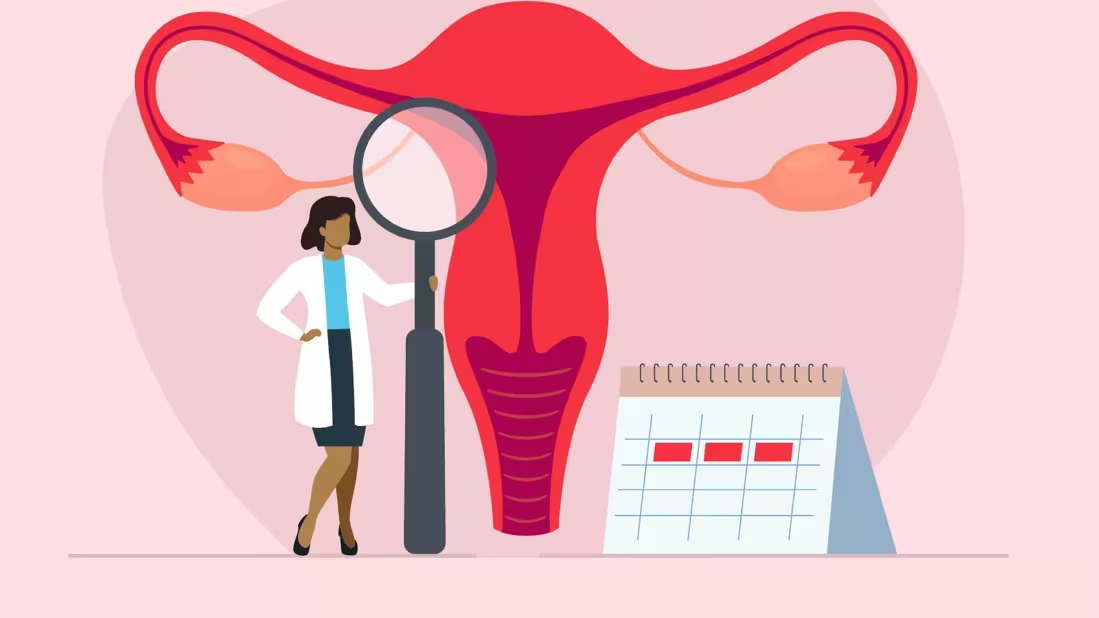
A woman’s menstrual cycle is a reflection of her overall health. When your body is functioning properly, your cycle tends to follow a predictable rhythm — usually between 21 to 35 days. However, many women experience irregular periods due to stress, poor diet, lack of exercise, or underlying hormonal imbalances. While medical conditions like PCOS or thyroid issues can disrupt your cycle, simple lifestyle changes often play a powerful role in bringing it back on track.
Understanding how daily habits influence your hormones can help you take control of your reproductive health naturally, without always relying on medications or synthetic hormones.
Understanding What Causes Irregular Menstrual Cycles
Before making lifestyle changes, it’s important to know what’s disrupting your cycle. Common causes include:
- Hormonal Imbalances: An uneven level of estrogen, progesterone, or thyroid hormones can delay or stop ovulation.
- Polycystic Ovary Syndrome (PCOS): A hormonal disorder that leads to irregular ovulation.
- Stress: Chronic emotional or physical stress increases cortisol, which interferes with reproductive hormones.
- Poor Diet: Lack of essential nutrients and excessive junk food affect hormone production.
- Extreme Exercise or Weight Loss: Rapid fat loss can disrupt estrogen levels.
- Sleep Problems: Inadequate sleep impacts melatonin and cortisol, influencing your cycle.
- Certain Medications: Birth control pills, antidepressants, and thyroid drugs can temporarily alter menstrual patterns.
Once these triggers are identified, targeted lifestyle modifications can help restore balance and regularity.
Balanced Nutrition: The Foundation of a Healthy Cycle
Your diet directly influences your hormone levels. Nutrient deficiencies can cause delayed ovulation, low energy, and mood swings. Eating a balanced diet ensures your body has what it needs to maintain a regular cycle.
1. Include Whole Foods and Healthy Fats
Foods like avocados, nuts, seeds, and olive oil contain healthy fats that support hormone production. Omega-3 fatty acids found in fish like salmon or flaxseeds reduce inflammation and improve overall reproductive function.
2. Add Iron-Rich Foods
Heavy periods can lead to iron deficiency, while insufficient iron can cause fatigue and irregular bleeding. Include spinach, lentils, eggs, and lean meats to boost your iron levels naturally.
3. Avoid Processed Foods and Excess Sugar
High sugar intake increases insulin resistance, which can disrupt ovulation and worsen PCOS symptoms. Reducing processed foods helps maintain stable blood sugar and hormone balance.
4. Stay Hydrated
Dehydration can make menstrual cramps and bloating worse. Aim to drink at least eight glasses of water daily and limit caffeine, which can elevate cortisol and disrupt your hormones.
Exercise and Movement: A Natural Hormone Regulator
Physical activity plays a crucial role in regulating menstrual cycles by balancing insulin, reducing stress, and supporting healthy weight. However, moderation is key — both inactivity and over-exercising can cause irregularities.
1. Practice Regular Moderate Exercise
Activities like brisk walking, yoga, swimming, or cycling help regulate insulin levels and improve blood circulation to the reproductive organs. Just 30 minutes a day can make a noticeable difference.
2. Avoid Overtraining
Intense workouts or excessive cardio can lead to low body fat and hormonal suppression, stopping ovulation entirely. Athletes or women who train rigorously should ensure they’re eating enough to support their energy needs.
3. Yoga for Hormone Balance
Yoga and stretching not only reduce physical tension but also help balance cortisol and lower stress. Specific poses like the “butterfly pose” and “child’s pose” improve pelvic blood flow, supporting menstrual regularity.
Managing Stress for Hormonal Harmony
Stress is one of the most common yet underestimated causes of irregular periods. When you’re stressed, your body releases cortisol, which can suppress gonadotropin-releasing hormone (GnRH) — responsible for ovulation. Managing stress effectively can naturally restore your hormonal balance.
1. Practice Mindfulness and Meditation
Deep breathing, mindfulness meditation, or journaling for 10–15 minutes daily can calm your mind and lower stress hormone levels.
2. Prioritize Rest and Downtime
Constant work without rest pushes your body into survival mode, disrupting ovulation. Taking short breaks, spending time in nature, and engaging in relaxing hobbies can reset your stress response.
3. Sleep Well
Aim for 7–9 hours of quality sleep. Going to bed at consistent times helps regulate melatonin, which influences reproductive hormones. Avoid screens and caffeine before bed for better sleep quality.
Maintaining a Healthy Weight
Body weight plays a crucial role in menstrual health. Both underweight and overweight women can experience cycle disruptions because of estrogen fluctuations.
- If you’re overweight, excess fat can cause high estrogen levels, preventing ovulation.
- If you’re underweight, your body produces less estrogen, which may stop periods altogether.
Maintaining a healthy BMI (18.5–24.9) through balanced eating and regular exercise helps normalize menstrual cycles naturally.
Avoiding Harmful Habits
Certain habits can interfere with hormone balance and menstrual regularity.
- Limit Alcohol: Excessive drinking affects liver function, which is essential for hormone metabolism.
- Quit Smoking: Smoking reduces estrogen levels and speeds up menopause.
- Reduce Caffeine: High caffeine intake increases cortisol and may cause irregular bleeding.
Replacing these with healthier habits like herbal teas, natural juices, and adequate sleep can make a remarkable difference in cycle regulation.
Tracking Your Menstrual Cycle
Keeping a record of your menstrual cycle helps identify irregularities early. You can use period-tracking apps or journals to monitor:
- Cycle length and pattern
- Flow intensity
- Associated symptoms (pain, mood changes, fatigue)
Sharing this information with your gynecologist can make diagnosis and treatment more precise.
When to See a Doctor
If your cycle remains irregular for more than three months despite lifestyle changes, consult a healthcare professional. Persistent irregularities could indicate underlying conditions such as PCOS, thyroid dysfunction, or perimenopause.
Final Thoughts
Regulating your menstrual cycle doesn’t always require medication — your daily habits have a tremendous impact on your hormonal health. A balanced diet, regular movement, stress control, and sufficient rest are the foundation of reproductive wellness.
By making these sustainable lifestyle changes, you can support your hormones naturally, enjoy more predictable cycles, and improve your overall physical and emotional health. Remember, consistency is key — small, steady improvements can restore balance and harmony to your body over time.