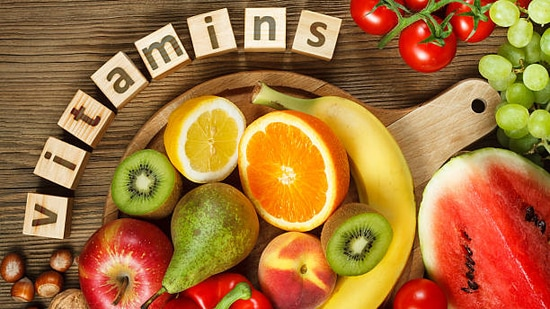
Women’s health depends on a delicate balance of hormones, nutrition, and lifestyle habits. Among all factors, vitamins play a crucial role in maintaining energy, immunity, bone strength, and reproductive wellness. Whether you are in your 20s or post-menopause, your body’s nutritional needs constantly evolve. Understanding which vitamins are most important helps you stay healthy, energized, and resilient at every stage of life.
Why Vitamins Are Essential for Women
Vitamins act as building blocks for almost every function in your body. They support metabolism, enhance immunity, maintain healthy skin, and regulate hormones. However, women often face deficiencies due to menstrual cycles, pregnancy, breastfeeding, or aging. A balanced intake of vitamins through diet or supplements can prevent fatigue, hormonal imbalances, bone weakness, and several chronic conditions.
Vitamin D – The Sunshine Vitamin
Vitamin D is one of the most vital nutrients for women’s bone and immune health. It helps the body absorb calcium, strengthens bones, and reduces the risk of osteoporosis — a condition that affects millions of women worldwide.
Women who spend less time outdoors or live in colder regions are more likely to be deficient in Vitamin D.
Best sources include: sunlight exposure, fatty fish (salmon, tuna), eggs, and fortified dairy products.
For women over 40, a Vitamin D supplement is often recommended to maintain optimal bone density and hormone balance.
Vitamin B12 – Energy and Brain Function
Vitamin B12 is essential for converting food into energy, maintaining red blood cells, and supporting nerve health. Deficiency in B12 can cause fatigue, memory issues, and anemia.
Vegetarians and vegans are particularly prone to B12 deficiency since it’s found mainly in animal products like eggs, fish, and meat.
Women should aim for sufficient daily intake to stay energetic, especially during pregnancy or after menopause, when metabolism naturally slows down.
Vitamin C – Immunity and Skin Health
Vitamin C is a powerful antioxidant that strengthens your immune system and promotes collagen production for healthy, glowing skin. It also aids in iron absorption, which is crucial for women prone to anemia.
Good sources include: oranges, strawberries, kiwi, bell peppers, and broccoli.
Regular Vitamin C intake helps repair tissues, fight free radicals, and protect your skin from premature aging caused by stress and pollution.
Vitamin E – Hormonal Balance and Anti-Aging
Vitamin E supports hormonal balance, boosts immunity, and acts as a natural antioxidant. It helps reduce menstrual pain, improve fertility, and maintain youthful skin by protecting against oxidative stress.
You can find Vitamin E in almonds, sunflower seeds, avocados, and olive oil.
Women going through menopause can benefit from Vitamin E to ease hot flashes and mood swings while maintaining hormonal stability.
Vitamin A – Vision, Reproduction, and Immunity
Vitamin A is critical for maintaining good vision, reproductive health, and immune defense. It supports cell growth and keeps the skin and mucous membranes healthy.
However, too much Vitamin A (especially from supplements) can be toxic, so it’s best to get it naturally from foods like carrots, sweet potatoes, and leafy greens.
Folate (Vitamin B9) – Essential for Pregnancy and Hormonal Health
Folate, or Vitamin B9, is especially important for women of childbearing age. It supports healthy cell growth and prevents neural tube defects during pregnancy.
Even women not planning pregnancy benefit from folate, as it helps with hormonal balance and heart health.
Sources include spinach, lentils, citrus fruits, and fortified grains. Most doctors recommend prenatal vitamins with folic acid for reproductive-aged women.
Calcium – Bone Strength and Muscle Health
Although technically a mineral, calcium works closely with Vitamin D to keep bones strong and prevent osteoporosis. Women are at higher risk of bone density loss after menopause due to lower estrogen levels.
Top sources: dairy products, leafy greens, tofu, and fortified plant milk.
Combining calcium with Vitamin D ensures maximum absorption and protection against bone fragility.
Vitamin K – Bone and Heart Support
Vitamin K plays an important role in bone metabolism and blood clotting. It works alongside calcium and Vitamin D to maintain bone structure.
It’s also beneficial for heart health, reducing the buildup of calcium in arteries.
You can get Vitamin K from green vegetables like kale, spinach, and broccoli.
Maintaining Vitamin Balance Naturally
To get the most out of these essential vitamins, focus on eating a colorful, balanced diet filled with whole foods. Limit processed foods, sugars, and alcohol, which interfere with vitamin absorption.
If you’re dealing with fatigue, frequent illness, or irregular cycles, consider blood tests to check for vitamin deficiencies.
A multivitamin designed for women can also help fill nutritional gaps, especially during pregnancy or menopause.
Final Thoughts
Vitamins are the foundation of women’s wellness. From boosting immunity and energy to regulating hormones and supporting bone health, they influence nearly every aspect of your life. Prioritizing vitamin-rich foods — and supplements when necessary — empowers women to lead active, vibrant, and healthy lives. The key is consistency and balance. With proper nutrition, your body has everything it needs to stay strong, radiant, and resilient for years to come.