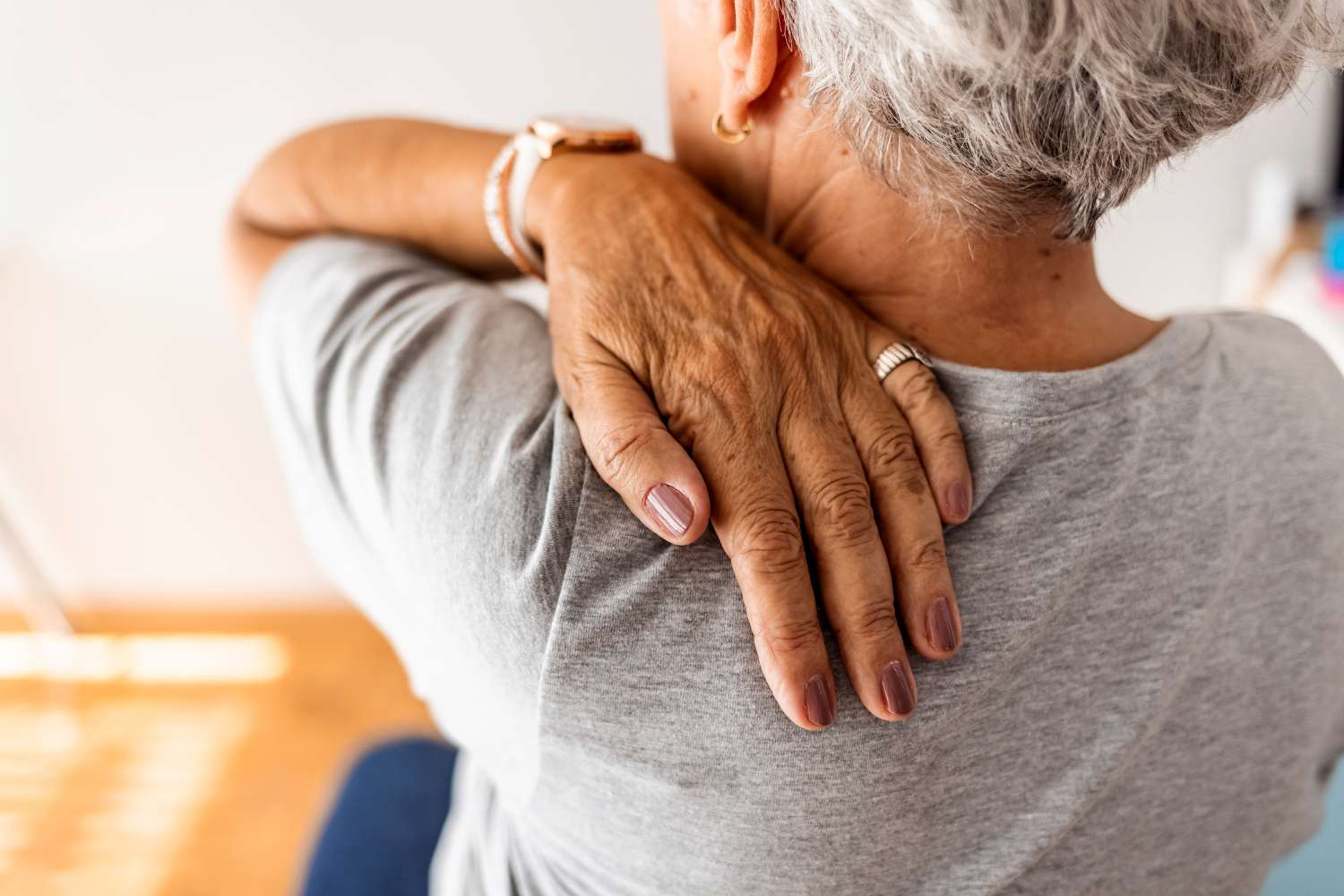
Osteoporosis is one of the most common yet often overlooked health conditions affecting women worldwide. It weakens bones, making them fragile and more likely to break even from a minor fall or strain. Because bone loss occurs gradually, many women don’t realize they have osteoporosis until a fracture occurs. Understanding the early signs of osteoporosis is essential for timely diagnosis and prevention. Detecting symptoms early gives women a better chance to protect their bone health through lifestyle changes, nutrition, and medical support.
Understanding Osteoporosis and Why Women Are at Risk
Osteoporosis literally means “porous bones.” It occurs when the body loses too much bone mass or doesn’t produce enough new bone. As a result, bones become weak, brittle, and susceptible to fractures.
Women are at higher risk than men due to several biological and hormonal factors. Estrogen, a hormone that protects bone strength, declines sharply after menopause. This sudden hormonal drop accelerates bone loss.
Other risk factors include genetics, a sedentary lifestyle, smoking, low calcium intake, and certain medications such as steroids.
Early Warning Signs You Shouldn’t Ignore
Osteoporosis often progresses silently, but there are subtle warning signs that can help women detect it early. Paying attention to these indicators can prevent serious complications later in life.
1. Frequent Bone Fractures or Minor Breaks
One of the earliest signs of osteoporosis is an increase in bone fractures, particularly in the wrist, hip, or spine. These fractures can occur even after minor falls or mild pressure — something that wouldn’t normally cause a break in healthy bones. If you find yourself breaking bones easily, it’s a strong indication that your bone density may be low.
2. Loss of Height Over Time
Gradual height loss is a common yet often ignored symptom of osteoporosis. This occurs because weakened vertebrae in the spine begin to collapse, causing a stooped posture or “hunchback” appearance known as kyphosis. Women who notice they’re getting shorter over time should consult their doctor for a bone density test.
3. Persistent Back Pain
Chronic back pain may be an early sign of osteoporosis, especially if it’s caused by spinal compression fractures. When vertebrae weaken and collapse, they can cause sharp or constant pain that radiates through the back. This pain should never be dismissed as normal aging discomfort.
4. Weak Grip Strength
Research has shown that weak grip strength may be an early predictor of low bone density. Since muscles and bones work together, loss of strength in your hands and forearms can indicate declining bone quality throughout the body.
5. Changes in Posture
A stooped or hunched posture can result from compression fractures in the spine caused by osteoporosis. Women may also notice their shoulders rounding forward or difficulty standing fully upright. These posture changes are signs of weakened spinal bones that require medical attention.
How Osteoporosis Develops in Women
Bone is living tissue that constantly renews itself. During youth, the body produces new bone faster than it breaks down old bone. However, after about age 30, bone mass starts to decline. For women, the most rapid bone loss happens during the first few years after menopause due to decreased estrogen levels.
If bone loss continues unchecked, it can lead to severe osteoporosis and fractures that impact mobility and quality of life. That’s why early detection and preventive care are critical.
Key Risk Factors for Osteoporosis
While genetics and aging play major roles, certain lifestyle and health factors can accelerate bone loss in women:
- Hormonal changes – Low estrogen after menopause or from thyroid disorders
- Poor diet – Low intake of calcium, magnesium, and Vitamin D
- Lack of physical activity – Sedentary lifestyle weakens bones
- Smoking and alcohol – These reduce bone formation
- Medical conditions – Rheumatoid arthritis, eating disorders, or gastrointestinal issues that limit nutrient absorption
Knowing your risk factors helps you take proactive steps to protect bone health.
How to Detect Osteoporosis Early
Doctors use a bone mineral density (BMD) test, commonly known as a DEXA scan, to measure bone strength. This painless test compares your bone density to that of a healthy young adult.
It’s recommended that women over age 50, especially those who have gone through menopause, get tested regularly.
Other assessments include blood tests to evaluate calcium and Vitamin D levels.
Natural Ways to Prevent and Manage Osteoporosis
While osteoporosis cannot always be reversed, several lifestyle choices can help strengthen bones and slow bone loss:
Eat a Bone-Healthy Diet
Consume foods rich in calcium (milk, yogurt, cheese, spinach) and Vitamin D (fish, eggs, fortified foods). Vitamin D helps your body absorb calcium effectively.
Include magnesium, zinc, and Vitamin K to support bone mineralization.
Engage in Weight-Bearing Exercise
Activities like walking, jogging, dancing, and resistance training improve bone density and muscle strength. Exercise also enhances balance and coordination, reducing the risk of falls.
Avoid Smoking and Excess Alcohol
Nicotine and alcohol weaken bone structure and slow the formation of new bone tissue. Limiting both can significantly reduce your risk of fractures.
Maintain Hormonal Balance
Since estrogen plays a major role in bone health, women experiencing early menopause or hormonal imbalance should consult a doctor about natural hormone support or other therapies.
Get Enough Sunlight
Sun exposure helps your body produce Vitamin D naturally. Spending 15–20 minutes in sunlight daily can make a big difference in maintaining bone health.
When to See a Doctor
If you experience unexplained back pain, frequent fractures, or visible posture changes, it’s essential to consult a healthcare provider. Early testing and intervention can help prevent irreversible damage. Women with family histories of osteoporosis or other risk factors should also undergo routine bone density screening.
Final Thoughts
Osteoporosis may be a silent disease, but its consequences can be life-altering. Recognizing the early signs — from back pain to height loss — can make all the difference in preventing severe bone damage. With proper nutrition, regular exercise, and medical guidance, women can maintain strong, healthy bones well into older age. Prevention begins long before symptoms appear — and taking care of your bones today ensures strength and independence tomorrow.