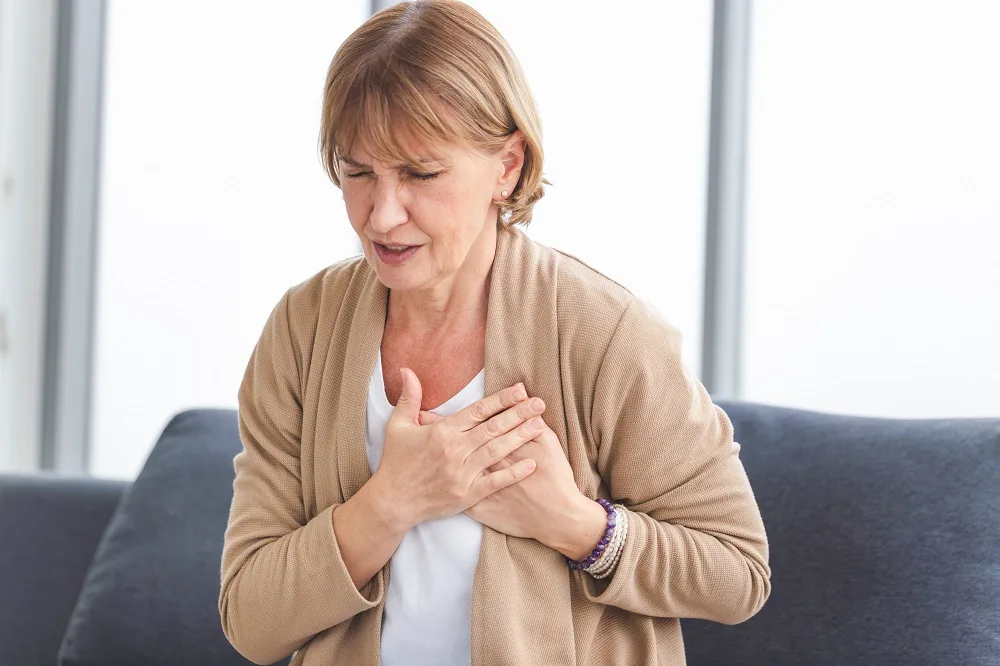
Heart disease remains one of the leading causes of death across the world, affecting both men and women of all ages. Unfortunately, it doesn’t always show clear warning signs in its early stages, which is why understanding the first symptoms is so important. Many people overlook or dismiss mild discomforts as fatigue, indigestion, or anxiety, not realizing these may actually be early indicators of a serious heart condition. By identifying these symptoms early, both men and women can take preventive measures and protect themselves from potentially life-threatening heart problems.
Heart disease often starts silently, caused by a buildup of plaque in the arteries, known as atherosclerosis. This restricts blood flow and oxygen delivery to the heart. Over time, this can lead to chest pain, heart attack, or even heart failure. Early diagnosis and lifestyle adjustments are key to reversing damage before it becomes permanent.
Chest Pain and Discomfort: The Most Common Warning Sign
Chest pain is one of the most widely recognized symptoms of heart disease. Men often describe it as a heavy, squeezing, or burning sensation in the center of the chest, which may spread to the shoulders, arms, or jaw. For some, it feels like an elephant sitting on the chest, while others may experience sharp or intermittent pain.
Women, however, might not experience this classic symptom. Instead, they may feel pressure, tightness, or a mild ache that comes and goes. Sometimes, the pain can mimic heartburn or stomach discomfort, which leads many to ignore it. Any unexplained or persistent chest discomfort should never be dismissed — it’s the body’s way of signaling a potential heart problem.
Shortness of Breath and Fatigue
When the heart struggles to pump enough blood, oxygen levels in the body drop. This can lead to shortness of breath, even during light activities like climbing stairs or walking. If you find yourself becoming winded doing everyday tasks that never bothered you before, this could indicate early heart trouble.
Unusual fatigue is another overlooked warning sign, particularly among women. A person might feel exhausted even after sleeping well or may lack energy throughout the day. This type of fatigue is often due to reduced oxygen delivery to muscles and tissues. It can appear weeks before a major cardiac event, such as a heart attack.
Pain in Other Parts of the Body
Heart pain doesn’t always stay in the chest. It can radiate to other areas, such as the shoulders, arms, back, neck, jaw, or even stomach. Men commonly experience pain in the left arm, while women may feel discomfort in the neck, jaw, or upper back. This “referred pain” happens because the nerves that carry pain signals from the heart also connect to other areas of the body. Many people mistake these sensations for muscle strain or acid reflux, but when they appear suddenly or persist, it’s important to get checked.
Dizziness, Nausea, and Cold Sweats
Feeling lightheaded, dizzy, or breaking out into a cold sweat can be another indicator of heart trouble. These symptoms may occur because the brain isn’t receiving enough oxygen-rich blood. In women, nausea and vomiting can sometimes be mistaken for a stomach issue, but when combined with fatigue and chest discomfort, they may signal a heart attack in progress. These symptoms are often sudden and can appear without warning, so immediate medical attention is critical.
Irregular Heartbeat and Palpitations
A fluttering or racing heartbeat can be another early warning sign. It might feel like your heart is skipping beats or pounding too hard. While occasional palpitations can result from caffeine or stress, persistent irregular rhythms may indicate arrhythmia — a condition where the heart’s electrical system isn’t functioning properly. Some arrhythmias are harmless, but others can increase the risk of stroke or cardiac arrest, making prompt evaluation essential.
Swelling in Legs, Ankles, or Feet
Heart failure can cause fluid buildup in the body, leading to swelling in the lower extremities. This happens when the heart can’t efficiently circulate blood, causing fluid to leak into surrounding tissues. If your shoes suddenly feel tighter or your ankles appear puffy, it might be a sign of poor heart function. This symptom is often accompanied by rapid weight gain or shortness of breath when lying down.
The Gender Differences in Heart Disease Symptoms
While both men and women can experience similar symptoms, studies show that women are more likely to have “atypical” symptoms, meaning they might not experience classic chest pain at all. Instead, they might feel back pain, jaw tightness, indigestion, or extreme tiredness. Because these signs are subtle, many women delay seeking help, increasing their risk of severe outcomes. Men, on the other hand, tend to experience more direct chest pain and shortness of breath.
When to See a Doctor
Any time you experience unexplained fatigue, dizziness, or discomfort in the chest or upper body, it’s important to get evaluated by a healthcare professional. Early detection can prevent serious complications. Doctors may perform tests such as ECG (electrocardiogram), echocardiogram, or cholesterol screenings to assess heart health. If you have risk factors — like smoking, diabetes, high blood pressure, obesity, or a family history of heart disease — regular checkups are vital.
Final Thoughts
Recognizing the early signs of heart disease in men and women can truly be life-saving. The key is not to ignore subtle changes in your body. Simple habits such as maintaining a balanced diet, exercising regularly, managing stress, and quitting smoking can make a significant difference in keeping your heart healthy. By acting early and staying informed, you can protect yourself from heart disease and enjoy a longer, stronger, and healthier life.