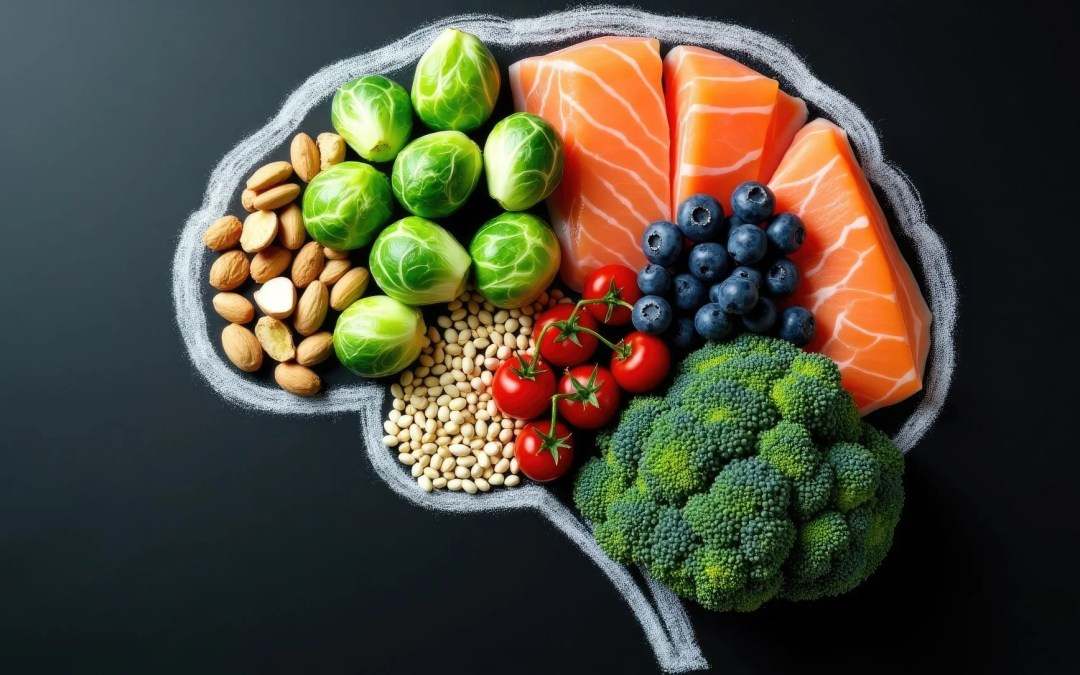
Your diet plays one of the most crucial roles in maintaining a healthy and strong heart. While genetics and lifestyle choices such as exercise and stress management matter, what you eat daily has a direct impact on your heart’s long-term function. The foods you choose can either support heart health or contribute to the development of cardiovascular problems like high blood pressure, clogged arteries, and high cholesterol. Fortunately, adopting a heart-friendly diet doesn’t require drastic changes — small, consistent improvements in food choices can make a significant difference.
A strong heart thrives on nutrients that reduce inflammation, support healthy blood vessels, and regulate cholesterol levels. Let’s explore the best foods you can include in your diet to keep your heart functioning at its best.
Fatty Fish: A Rich Source of Omega-3 Fatty Acids
Fatty fish like salmon, mackerel, sardines, tuna, and trout are among the best foods for your heart. They are packed with omega-3 fatty acids, which are known to reduce triglycerides, lower blood pressure, and prevent plaque buildup in arteries. Omega-3s also help maintain a steady heartbeat and reduce inflammation throughout the body.
Health experts recommend eating at least two servings of fatty fish per week. If you don’t eat fish, you can still get omega-3s from plant-based sources such as chia seeds, flaxseeds, and walnuts. These alternatives help lower bad cholesterol and improve circulation, ensuring your heart remains strong and healthy.
Leafy Green Vegetables: The Nutrient Powerhouse
Vegetables like spinach, kale, broccoli, and collard greens are rich in vitamins, minerals, and antioxidants that promote heart health. They contain vitamin K, which supports proper blood clotting, and nitrates, which help widen blood vessels and improve blood flow. Leafy greens are also low in calories and high in fiber, making them ideal for maintaining a healthy weight and reducing cholesterol levels.
Studies have shown that individuals who consume green vegetables daily have a lower risk of developing heart disease. Try adding a handful of spinach to your smoothies, salads, or omelets to easily boost your intake of these heart-protective nutrients.
Whole Grains for Long-Term Heart Protection
Whole grains — such as oats, brown rice, quinoa, and whole wheat — are excellent for heart health. They are packed with soluble fiber, which helps lower LDL (bad cholesterol) and prevent plaque buildup in arteries. Unlike refined grains, whole grains retain their natural nutrients, including B vitamins, iron, and magnesium, which are essential for heart function.
Eating whole grains regularly also helps regulate blood sugar levels, making them especially beneficial for people with diabetes — a major risk factor for cardiovascular disease. A bowl of oatmeal or whole-grain toast in the morning is a simple and effective way to support your heart every day.
Berries: Natural Antioxidant Boosters
Berries such as blueberries, strawberries, blackberries, and raspberries are loaded with antioxidants, polyphenols, and anthocyanins, which help reduce oxidative stress and inflammation. These compounds protect your arteries from damage and improve blood vessel flexibility.
Berries are also naturally low in calories and high in fiber, making them perfect for snacks or smoothies. Studies show that people who regularly eat berries have improved cholesterol levels and reduced blood pressure, both of which are essential for heart health.
Nuts and Seeds: Tiny but Mighty Heart Helpers
Almonds, walnuts, pistachios, chia seeds, and flaxseeds are small foods with big heart benefits. They contain healthy fats, plant-based proteins, magnesium, and antioxidants that reduce inflammation and improve cholesterol levels. Nuts are also rich in L-arginine, an amino acid that helps relax blood vessels and improve circulation.
However, moderation is key — while nuts are healthy, they’re also calorie-dense. A small handful per day is enough to support your heart without adding excess calories. Choose unsalted, raw, or dry-roasted nuts for maximum benefit.
Olive Oil: The Gold Standard of Healthy Fats
Olive oil, particularly extra virgin olive oil, is one of the best fats for heart health. It’s rich in monounsaturated fats and antioxidants that help reduce inflammation, lower bad cholesterol, and protect blood vessels. Olive oil also contains polyphenols that prevent oxidative damage and improve endothelial function (the lining of your arteries).
Replace butter or margarine with olive oil for cooking or salad dressings. Even a few tablespoons a day can contribute significantly to improving heart health and longevity.
Legumes: Heart-Healthy Plant Proteins
Beans, lentils, chickpeas, and peas are rich in protein, fiber, and essential minerals like potassium and magnesium. They help reduce blood pressure, lower cholesterol, and control blood sugar levels. Because legumes are naturally low in fat and sodium, they make an excellent replacement for red or processed meats, which can increase heart disease risk.
Adding legumes to soups, salads, or stews is an easy way to enjoy their benefits while maintaining a balanced and filling diet.
Dark Chocolate: A Sweet Treat for Your Heart
Surprisingly, dark chocolate — when eaten in moderation — can also support heart health. It contains flavonoids, powerful antioxidants that improve circulation, lower blood pressure, and reduce the risk of blood clots. However, the chocolate must be at least 70% cocoa and low in added sugar to be effective.
Enjoying a small piece of dark chocolate a few times a week not only satisfies your sweet tooth but also helps your heart stay strong and protected.
Foods to Avoid for a Healthy Heart
While adding heart-friendly foods is essential, it’s equally important to limit foods that harm the heart. Avoid processed meats, refined sugars, fried foods, and trans fats, as they can increase cholesterol, inflammation, and blood pressure. Also, minimize your salt intake to prevent fluid retention and hypertension.
Final Thoughts
A strong heart begins with smart eating choices. By incorporating nutrient-rich foods like fatty fish, leafy greens, whole grains, and nuts into your diet — and limiting processed, high-sodium items — you can greatly improve cardiovascular health. These simple dietary habits not only strengthen your heart but also enhance energy levels, mood, and longevity.
Every meal you eat is a chance to nourish your body and protect your heart. Remember, heart disease prevention starts in your kitchen — so choose foods that love your heart back.