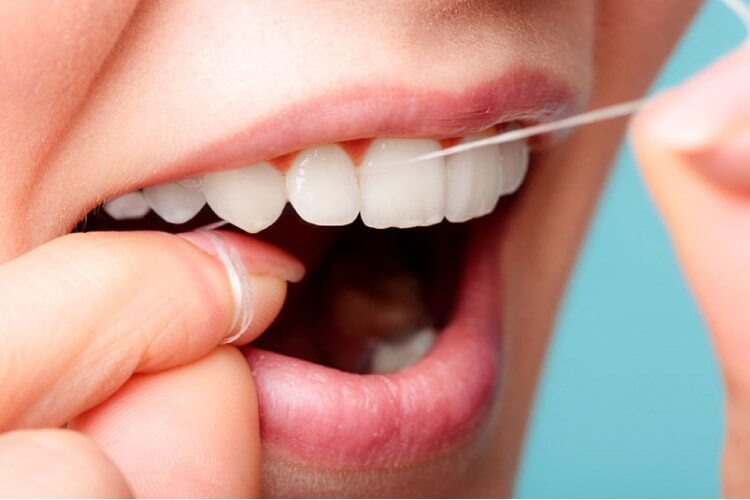
When it comes to maintaining a bright smile and strong oral health, brushing and flossing are your first line of defense. Yet, many people still wonder — how often should you actually brush and floss your teeth daily? While brushing twice a day is the golden rule, the quality, timing, and technique matter just as much as the frequency. Flossing, on the other hand, is often neglected but is equally essential for removing plaque and bacteria that brushing alone can’t reach.
In this article, we’ll explore the ideal brushing and flossing habits recommended by dental professionals, why consistency matters, and how to build a healthy oral care routine for lifelong dental wellness.
The Importance of Daily Brushing
Brushing your teeth helps remove food particles, plaque, and bacteria that naturally accumulate in your mouth throughout the day. If left uncleaned, these substances can lead to cavities, bad breath, and gum disease. The American Dental Association (ADA) recommends brushing your teeth at least twice a day — once in the morning and once before bed.
Morning brushing removes bacteria that built up overnight and refreshes your breath. Brushing at night, before sleeping, prevents plaque from sitting on your teeth while you rest. Skipping your nightly brushing routine is one of the most common causes of early tooth decay and gum inflammation.
The Right Way to Brush
Brushing isn’t just about moving the toothbrush around — technique matters. Here are a few essential steps:
- Use a soft-bristled toothbrush to protect your gums and enamel.
- Hold the brush at a 45-degree angle to your gums.
- Use gentle circular motions — not aggressive back-and-forth scrubbing.
- Brush for two full minutes, ensuring you cover all surfaces of every tooth.
- Don’t forget your tongue and inner cheeks, where bacteria also accumulate.
Electric toothbrushes can also improve your cleaning efficiency, especially if you tend to rush through brushing. Many models include built-in timers to ensure you brush for the recommended duration.
How Often Should You Floss?
Flossing once a day is crucial for removing plaque and food particles from between your teeth — areas where toothbrush bristles can’t reach. Even if you brush perfectly, skipping flossing allows bacteria to thrive in these tight spaces, leading to gum disease and bad breath.
Most dentists recommend flossing at least once daily, preferably before bedtime. Nighttime flossing helps clean out everything you’ve eaten during the day, preventing bacterial growth while you sleep. If you wear braces or dental bridges, using floss threaders or interdental brushes can help reach difficult spots more effectively.
Why Brushing Alone Isn’t Enough
Many people believe brushing twice a day is enough, but research shows that without flossing, nearly 40% of your tooth surfaces remain dirty. Plaque buildup between teeth hardens into tartar, which can only be removed by a dentist during a professional cleaning.
Neglecting flossing can lead to gingivitis, the earliest stage of gum disease, marked by red, swollen gums that may bleed when brushing. Over time, untreated gingivitis can progress to periodontitis, a serious infection that can damage bone structure and cause tooth loss.
The Ideal Daily Oral Care Routine
Here’s a dentist-approved daily routine to keep your teeth healthy and your smile radiant:
- Morning Routine:
- Brush your teeth for two minutes using fluoride toothpaste.
- Rinse with an antibacterial mouthwash to kill lingering bacteria.
- Afternoon Refresh:
- After lunch or snacks, rinse your mouth with water or chew sugar-free gum to neutralize acids.
- Evening Routine:
- Floss thoroughly to remove food particles between teeth.
- Brush again before bed to clean off plaque and bacteria.
- Avoid eating or drinking anything other than water afterward.
By following this simple yet effective routine, you maintain a clean mouth and reduce your risk of cavities and gum disease significantly.
Can You Brush Too Much?
While brushing is essential, brushing too often or too hard can be harmful. Over-brushing wears down enamel and irritates the gums, making them recede over time. Ideally, brushing more than three times a day is unnecessary unless advised by a dentist. If you tend to snack frequently, rinse your mouth with water instead of brushing immediately — brushing right after eating acidic foods can actually weaken enamel temporarily.
The Role of Toothpaste and Mouthwash
Choosing the right toothpaste plays a huge role in oral hygiene. Look for fluoride-based toothpaste, which strengthens enamel and prevents decay. For people with sensitive teeth, desensitizing toothpaste can provide relief without sacrificing protection.
Mouthwash is another great addition to your routine, helping reduce bacteria and freshen breath. However, it should never replace brushing or flossing — think of it as a bonus step in your oral care routine, not the main one.
Professional Dental Cleanings and Check-Ups
Even with perfect daily care, regular dental visits are essential. Dentists recommend scheduling a professional cleaning every six months. During these check-ups, plaque and tartar are removed, and your dentist checks for early signs of cavities, gum disease, or oral cancer.
Professional cleanings also help polish your teeth, remove stains, and keep your smile bright. If you’re prone to plaque buildup or gum problems, your dentist may suggest more frequent cleanings every 3–4 months.
Tips to Build Better Habits
- Keep your toothbrush within easy reach as a visual reminder.
- Use a timer or a brushing app to ensure you brush for two full minutes.
- Replace your toothbrush every 3 to 4 months, or sooner if bristles are frayed.
- Floss before brushing — studies show this helps fluoride reach between teeth more effectively.
Small, consistent habits make a huge difference in preventing long-term dental problems.
Final Thoughts
Brushing and flossing aren’t just daily tasks — they’re investments in your long-term oral and overall health. The ideal schedule is brushing twice a day and flossing once daily, paired with regular dental visits and a healthy diet.
Remember: a clean mouth isn’t just about aesthetics; it’s about preventing disease, maintaining confidence, and protecting your entire body from bacteria that can enter through your gums. So, make brushing and flossing a consistent part of your self-care routine — your smile will thank you for it.