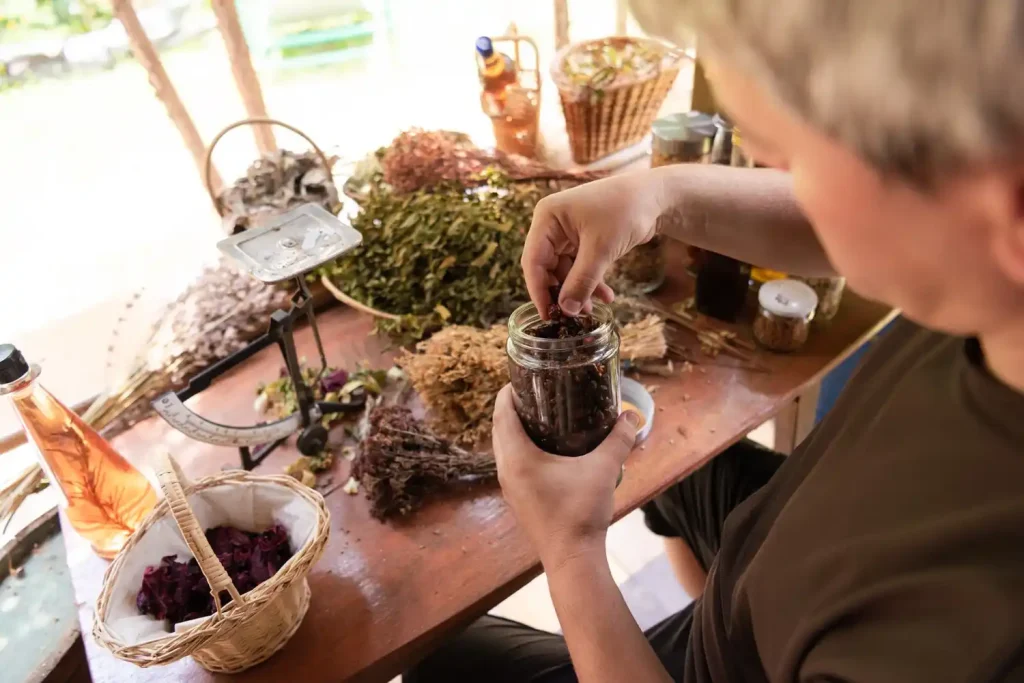
Acne is one of the most common skin concerns affecting millions of people worldwide. While it’s often associated with teenagers, adults can also experience persistent breakouts due to hormones, stress, or lifestyle habits. Many people turn to over-the-counter treatments or prescription medications, but natural remedies can also be effective in managing acne without harsh side effects. Understanding which natural ingredients actually work and how to use them safely can make a big difference in achieving clearer skin naturally.
Understanding the Root Causes of Acne
Before exploring remedies, it’s important to understand why acne occurs. Acne forms when pores become clogged with oil, dead skin cells, or bacteria. Hormonal changes, poor diet, lack of hygiene, and stress can also trigger flare-ups.
The four main factors contributing to acne include:
- Excess oil (sebum) production
- Clogged hair follicles
- Bacterial growth (especially Cutibacterium acnes)
- Inflammation
Addressing these root causes through gentle, natural remedies can help reduce breakouts and improve overall skin health.
Tea Tree Oil: A Powerful Natural Antibacterial
Tea tree oil is one of the most popular natural treatments for acne. It contains powerful antibacterial and anti-inflammatory properties that help reduce redness and swelling. Studies have shown that a 5% tea tree oil solution can be as effective as benzoyl peroxide in treating mild to moderate acne.
How to use: Mix a few drops of tea tree oil with a carrier oil (like jojoba or coconut oil) and apply directly to pimples using a cotton swab. Avoid applying undiluted oil, as it can irritate the skin.
Aloe Vera: The Skin Soother
Aloe vera gel is another effective natural remedy for acne due to its anti-inflammatory and healing properties. It soothes irritated skin, reduces redness, and helps speed up the healing process of acne scars.
How to use: Apply pure aloe vera gel directly from the leaf or use an organic store-bought version. Leave it on overnight for best results. Regular use keeps the skin hydrated and calm.
Honey and Cinnamon Mask: A Natural Antimicrobial Duo
Both honey and cinnamon have natural antibacterial and antioxidant properties that make them powerful acne-fighting ingredients. Honey helps prevent infection and keeps skin soft, while cinnamon fights bacteria and improves blood circulation.
How to use: Mix 2 tablespoons of honey with 1 teaspoon of cinnamon to create a thick paste. Apply to the face for 10–15 minutes, then rinse off with warm water. Use twice a week for glowing, acne-free skin.
Green Tea: Nature’s Anti-Inflammatory Agent
Green tea is rich in antioxidants and has strong anti-inflammatory and antimicrobial properties. It helps control sebum production and reduces acne-causing bacteria.
How to use: Brew a cup of green tea, let it cool, and apply it to your skin using a cotton pad. You can also mix green tea extract with aloe vera gel for a refreshing anti-acne face mist. Drinking 1–2 cups daily also helps detoxify your body internally.
Apple Cider Vinegar: A Natural Toner
Apple cider vinegar (ACV) contains organic acids like acetic acid and citric acid, which help kill bacteria and balance your skin’s pH. It can also help exfoliate dead skin cells and minimize pores.
How to use: Mix 1 part ACV with 3 parts water, apply gently with a cotton pad, and leave it on for 5 minutes before rinsing. Do not overuse ACV, as it can dry or irritate sensitive skin.
Turmeric: The Golden Healer
Turmeric has been used in Ayurvedic medicine for centuries due to its powerful anti-inflammatory and antibacterial properties. It helps reduce acne-causing bacteria and fades dark spots caused by previous breakouts.
How to use: Mix 1 teaspoon of turmeric powder with yogurt or honey to form a paste. Apply to affected areas for 15 minutes, then rinse. Use this mask 2–3 times weekly for best results.
Witch Hazel: Nature’s Gentle Astringent
Witch hazel is a plant extract that helps reduce oil, tighten pores, and soothe inflammation. It’s especially beneficial for those with oily or combination skin.
How to use: Apply witch hazel to a cotton pad and gently wipe your face twice daily after cleansing. It helps control excess oil and prevents future breakouts without over-drying the skin.
Dietary Remedies for Clearer Skin
What you eat also plays a major role in acne management. A diet high in processed foods, sugar, and dairy can worsen acne, while nutrient-rich foods promote healing.
Eat more of:
- Leafy greens and colorful vegetables
- Omega-3-rich foods (fish, walnuts, chia seeds)
- Probiotics (yogurt, kefir, fermented foods)
- Antioxidant-rich fruits like berries and citrus
Avoid: Sugary snacks, white bread, soda, and fast food. Staying hydrated and drinking green tea or lemon water also helps flush out toxins.
Lifestyle Habits That Support Natural Acne Healing
In addition to natural remedies, healthy lifestyle habits are crucial for acne prevention.
- Cleanse twice daily to remove dirt and excess oil.
- Avoid touching your face to prevent bacterial transfer.
- Change pillowcases regularly to reduce bacteria buildup.
- Manage stress through yoga, meditation, or journaling.
- Get enough sleep to help your skin repair itself.
Consistency is key — even natural treatments need time and regular use to show results.
When to See a Dermatologist
While natural remedies can help manage mild acne, persistent or severe breakouts may require professional treatment. If your acne is painful, cystic, or leaving scars, consult a dermatologist. They can recommend prescription options or therapies like chemical peels, laser treatment, or medication to complement your natural routine.
Final Thoughts
The best natural remedies for acne combine gentle, plant-based ingredients with healthy lifestyle practices. Tea tree oil, aloe vera, honey, turmeric, and green tea are powerful allies in fighting acne without the harsh side effects of chemical treatments. However, remember that everyone’s skin is different — what works for one person may not work for another. Always patch-test new remedies, be patient, and stay consistent. With the right natural care and mindful habits, you can achieve clear, glowing, and healthy skin naturally.