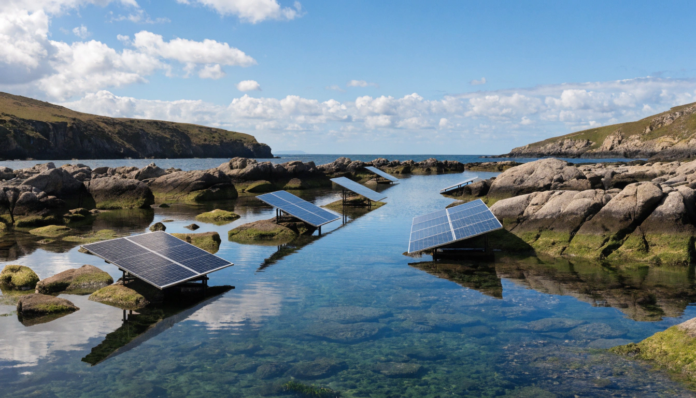
Solar energy has become one of the most important sources of renewable power in the modern world. As the demand for clean and sustainable energy increases, solar panels are being used in homes, businesses, and large power plants.
Many educational exams and reading assessments include passages about solar panels to test students’ comprehension and understanding of scientific topics. One such example is the solar panels TEAS passage, which often appears in study materials related to the TEAS exam. These passages help students learn about solar energy while also improving their reading and analytical skills.
Understanding this topic is not only useful for exams but also helps readers appreciate the benefits of renewable energy technologies.
Understanding the Solar Panels TEAS Passage
A solar panels TEAS passage is a reading section that discusses solar energy and how solar panels convert sunlight into electricity. The passage is often designed to test students’ ability to understand scientific information, identify key ideas, and analyze details in the text. These passages are usually included in study guides and practice tests for the TEAS exam.
The TEAS exam is commonly used for admission into nursing and healthcare programs. Because the exam evaluates reading comprehension skills, passages about scientific topics like solar energy are often included. The solar panels TEAS passage not only improves reading skills but also introduces students to important environmental concepts.
Students reading this passage learn how solar panels capture sunlight and convert it into electrical energy that can power homes and devices. The passage may also explain the benefits of renewable energy compared to traditional energy sources.
What Are Solar Panels
Solar panels are devices that capture energy from sunlight and convert it into electricity. They are made up of many small units called solar cells, which are usually made from silicon. When sunlight hits these cells, a chemical reaction occurs that produces electrical energy.
Solar panels are commonly installed on rooftops, open land areas, and solar farms. They are designed to absorb as much sunlight as possible during the day. The electricity generated by these panels can be used immediately or stored in batteries for later use.
Because solar panels rely on sunlight, they are considered a renewable energy technology. This means they can produce energy without running out of natural resources or harming the environment.
How Solar Panels Work?
Solar panels work through a process called the photovoltaic effect. When sunlight reaches the surface of a solar panel, it interacts with the solar cells inside the panel. These cells contain materials that release electrons when exposed to light.
The movement of these electrons creates an electrical current. This current is captured by wires and converted into usable electricity through an inverter. The electricity can then be used to power appliances, lighting, and other devices.
In a solar power system, several components work together. These include solar panels, inverters, batteries, and electrical wiring. Together, these parts form a system that generates and distributes clean energy.
Importance of Solar Energy
Solar energy is one of the most important renewable energy sources available today. Unlike fossil fuels such as coal and oil, solar energy does not produce harmful emissions when generating electricity. This makes it a cleaner and more environmentally friendly option.
Another advantage of solar energy is that sunlight is abundant and widely available in many parts of the world. As long as the sun shines, solar panels can produce energy. This reduces dependence on limited natural resources.
Solar energy also helps reduce electricity costs for homeowners and businesses. Once solar panels are installed, they can produce electricity for many years with minimal operating costs.
Environmental Benefits of Solar Panels
Solar panels provide several environmental benefits. One of the most significant benefits is the reduction of greenhouse gas emissions. Traditional power plants that burn fossil fuels release large amounts of carbon dioxide into the atmosphere. Solar panels, on the other hand, generate electricity without producing these emissions.
Another environmental advantage is the reduction of air pollution. Fossil fuel power plants can release harmful pollutants that affect air quality and human health. Solar energy systems operate silently and do not release pollutants into the environment.
Solar panels also help conserve natural resources. Because they rely on sunlight instead of fuel, they reduce the need for mining and drilling activities that can damage ecosystems.
Advantages of Solar Panels
Solar panels offer many advantages that make them attractive for both residential and commercial use.
Renewable Energy Source
Solar energy comes from the sun, which is a natural and renewable resource. Unlike fossil fuels, it will not run out in the near future.
Lower Electricity Bills
Homeowners who install solar panels can reduce their electricity costs by generating their own power. Over time, this can lead to significant savings.
Low Maintenance
Solar panels require very little maintenance. Regular cleaning and occasional inspections are usually enough to keep them functioning properly.
Long Lifespan
Most solar panels are designed to last for many years. Many systems can operate efficiently for 20 to 30 years or even longer.
Challenges of Solar Energy
Despite their many benefits, solar panels also have some challenges.
Initial Cost
The cost of purchasing and installing solar panels can be high. However, this cost is often balanced by long-term savings on electricity bills.
Weather Dependence
Solar panels depend on sunlight to produce electricity. Cloudy days and nighttime can reduce energy production.
Space Requirements
Large solar power systems may require significant space for installation, especially in solar farms.
Role of Solar Panels in the Future of Energy
Solar panels are expected to play a major role in the future of global energy production. As governments and organizations work to reduce carbon emissions, renewable energy technologies are becoming more important.
Advances in solar technology are making panels more efficient and affordable. Researchers are developing new materials and designs that can capture more sunlight and produce more electricity.
In addition, many countries are investing in large solar power projects to supply electricity to cities and industries. These projects help reduce dependence on fossil fuels and promote sustainable energy development.
Educational Value of Solar Panels TEAS Passage
The solar panels TEAS passage is not only about energy technology but also about improving reading skills. Students must read the passage carefully, understand scientific explanations, and answer questions based on the information provided.
These passages often include vocabulary related to science and technology. Learning these terms helps students expand their knowledge and prepare for academic studies in healthcare and other fields.
The passage may also encourage critical thinking. Students might be asked to identify the main idea, understand cause-and-effect relationships, or analyze supporting details in the text.
Why Solar Energy Matters Today?
Solar energy is becoming increasingly important as the world faces environmental challenges such as climate change and pollution. Renewable energy sources provide a way to meet energy demands while protecting the environment.
Solar panels allow individuals and communities to produce their own electricity in a sustainable way. This can reduce the need for large power plants and lower environmental impacts.
As awareness of environmental issues grows, more people are choosing renewable energy solutions. Solar technology continues to expand in homes, businesses, and public infrastructure around the world.
Frequently Asked Questions
1. What is a solar panels TEAS passage?
A solar panels TEAS passage is a reading section used in TEAS exam preparation that explains how solar panels work and discusses renewable energy concepts.
2. What are solar panels?
Solar panels are devices that convert sunlight into electricity using solar cells and the photovoltaic effect.
3. How do solar panels produce electricity?
Solar panels generate electricity when sunlight causes electrons in solar cells to move, creating an electrical current.
4. Why is solar energy considered renewable?
Solar energy is renewable because it comes from the sun, which provides a continuous and natural supply of energy.
5. What are the main benefits of solar panels?
Solar panels provide clean energy, reduce electricity costs, and help lower greenhouse gas emissions.
6. What is the photovoltaic effect?
The photovoltaic effect is the process through which solar cells convert sunlight into electrical energy.
7. Do solar panels work on cloudy days?
Yes, solar panels can still produce electricity on cloudy days, although their efficiency may be reduced.
8. How long do solar panels last?
Most solar panels can last between 20 and 30 years while continuing to produce electricity.
9. Why are solar panels important for the environment?
Solar panels help reduce pollution and carbon emissions by generating clean and renewable energy.
10. Why are solar energy topics included in reading passages?
Solar energy topics are included in reading passages because they combine scientific knowledge with reading comprehension practice.
Conclusion
Solar panels represent an important step toward a cleaner and more sustainable energy future. By converting sunlight into electricity, they provide a renewable energy source that can reduce dependence on fossil fuels and lower environmental pollution.
Educational passages about solar panels, such as the solar panels TEAS passage, help students understand this technology while improving their reading comprehension skills. These passages explain how solar panels work, highlight their benefits, and discuss their role in addressing global energy challenges.
Learning about solar panels through educational materials not only prepares students for exams but also increases awareness about the importance of renewable energy in protecting the planet.