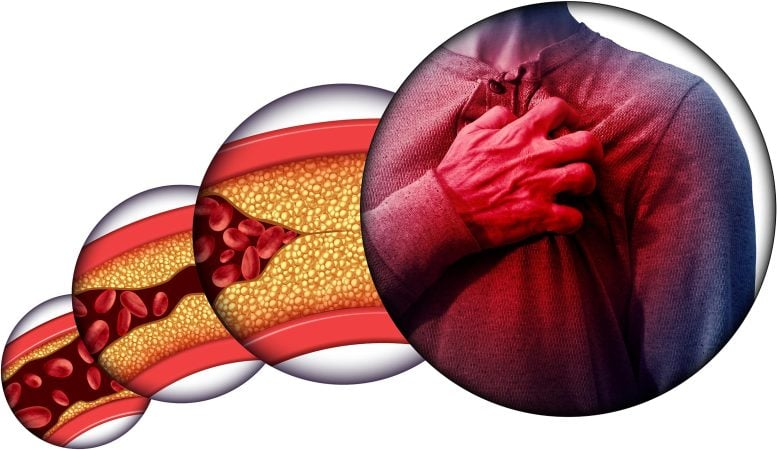
High cholesterol is one of the most significant yet silent threats to your cardiovascular health. It develops gradually, without obvious symptoms, and by the time most people discover it, some level of artery damage has already occurred. Cholesterol itself isn’t bad — in fact, it’s essential for building cells and producing hormones. However, when the balance between good and bad cholesterol is disrupted, it can have harmful effects on your heart and blood vessels.
Understanding how high cholesterol affects the cardiovascular system helps you make informed choices about diet, exercise, and lifestyle habits that protect your heart from serious conditions like heart attack, stroke, and atherosclerosis.
What Is Cholesterol and Why Does It Matter?
Cholesterol is a waxy, fat-like substance produced by the liver and found in certain foods. It travels through your bloodstream attached to proteins, forming what’s called lipoproteins. There are two main types:
- Low-Density Lipoprotein (LDL): Often referred to as “bad cholesterol,” LDL carries cholesterol to your arteries. When levels are too high, it can lead to plaque buildup that narrows or blocks blood vessels.
- High-Density Lipoprotein (HDL): Known as “good cholesterol,” HDL helps remove excess cholesterol from the bloodstream and carries it back to the liver for elimination.
Maintaining a healthy balance between LDL and HDL is vital for preventing cardiovascular disease. When LDL levels rise and HDL levels fall, the risk of artery damage increases dramatically.
How High Cholesterol Leads to Atherosclerosis
The main way high cholesterol harms your cardiovascular system is through a process called atherosclerosis — the gradual buildup of fatty deposits (plaque) inside the arteries. Over time, these plaques harden and narrow the arteries, restricting blood flow to vital organs, including the heart and brain.
As arteries become less flexible and more clogged, the heart has to work harder to pump blood, leading to increased blood pressure and strain on the cardiovascular system. In severe cases, these plaques can rupture, triggering blood clots that may completely block blood flow, resulting in heart attack or stroke.
The Impact on Heart Health
When cholesterol deposits restrict blood flow to the heart, the condition is called coronary artery disease (CAD). Reduced oxygen supply to the heart muscle can cause chest pain (angina), especially during physical exertion or stress. If a clot forms and cuts off blood supply entirely, it can lead to a heart attack.
High cholesterol also contributes to heart failure, a condition where the heart becomes too weak to pump blood efficiently. This can cause symptoms like fatigue, shortness of breath, and swelling in the legs or feet. The longer high cholesterol goes unmanaged, the higher the risk of permanent heart damage.
The Effect on the Brain and Blood Vessels
Cholesterol doesn’t just affect the heart — it also impacts the brain and circulatory system. When cholesterol buildup narrows arteries that supply the brain, it increases the risk of stroke. A stroke occurs when blood flow to a part of the brain is interrupted, depriving brain cells of oxygen and nutrients. This can lead to permanent neurological damage or even death.
High cholesterol is also associated with peripheral artery disease (PAD), a condition in which plaque buildup restricts blood flow to the limbs, especially the legs. People with PAD often experience pain, numbness, or cramping while walking or climbing stairs.
The Hidden Danger: Oxidized LDL
Not all LDL is equally dangerous. The most harmful form is oxidized LDL, which occurs when LDL particles react with free radicals in the body. Oxidized LDL is more likely to stick to artery walls and trigger inflammation, speeding up the formation of plaque. This process not only damages arteries but also increases the risk of blood clots — the direct cause of most heart attacks and strokes.
Antioxidant-rich foods like berries, leafy greens, and nuts can help prevent LDL oxidation, making them an essential part of a heart-healthy diet.
Lifestyle and Dietary Causes of High Cholesterol
High cholesterol can result from a combination of genetic and lifestyle factors. Unhealthy eating habits, lack of exercise, smoking, and obesity are the most common causes. Diets high in saturated fats (found in red meat, butter, and cheese) and trans fats (found in fried and processed foods) raise LDL levels significantly.
In contrast, foods rich in fiber, omega-3 fatty acids, and unsaturated fats help lower LDL and boost HDL. Limiting processed foods and choosing healthier fats like olive oil, avocados, and nuts can make a major difference.
Other risk factors include diabetes, high blood pressure, and sedentary lifestyles, which together increase the likelihood of cardiovascular complications. Even if you feel healthy, regular cholesterol testing is essential, as high cholesterol rarely causes symptoms until it’s too late.
How to Lower High Cholesterol Naturally
You can manage and even reverse high cholesterol through simple lifestyle changes:
- Eat Heart-Healthy Foods: Focus on fruits, vegetables, whole grains, lean proteins, and healthy fats.
- Exercise Regularly: Aim for at least 150 minutes of moderate activity per week, like brisk walking or swimming.
- Quit Smoking: Smoking lowers HDL and damages artery walls, making cholesterol buildup worse.
- Maintain a Healthy Weight: Losing even 5–10% of body weight can significantly improve cholesterol levels.
- Limit Alcohol Intake: Excessive drinking raises triglycerides and can harm the liver.
In some cases, doctors may prescribe cholesterol-lowering medications like statins to reduce LDL and prevent artery blockage.
Prevention Is the Best Cure
The best way to protect your cardiovascular system from high cholesterol is through prevention. Regular blood tests help track your cholesterol profile, allowing early intervention if levels rise. Starting heart-healthy habits early — even in your 20s or 30s — can prevent decades of damage to your arteries.
Final Thoughts
High cholesterol may be silent, but its effects on the cardiovascular system are serious and far-reaching. From restricting blood flow to increasing the risk of heart attacks and strokes, unmanaged cholesterol can slowly damage your heart and arteries over time.
The good news is that with the right lifestyle choices — including a balanced diet, regular exercise, and preventive care — you can keep your cholesterol under control and your heart strong for years to come. A healthy lifestyle today ensures a healthy heartbeat tomorrow.